
Sock Aids for Seniors Living Alone: Independence Tools
When nobody is coming to help, the sock aid has to work every time. Here is how solo seniors choose, set up, and back up their dressing routine.
Founder & Senior Care Researcher

Key takeaways
- Solo use demands reliability over features: shells that load once and pull once
- Foam or loop handles prevent the abandoned-aid problem when hands tire with no one to take over
- Keep the aid, socks, and a reacher in one bedside spot — retrieval is the hidden failure point
- Have a plan B: slip-on shoes days, a sock slider, or scheduled help beat skipping socks in winter
- A dressing routine that fails silently is a safety signal worth telling family or a doctor about
Quick answer
What makes a sock aid good for someone living alone?
Reliability: a shell that holds the loaded sock (terry-lined or semi-rigid) and handles the senior can always manage (foam or loops). Solo users cannot hand the job off mid-attempt, so one-motion dependability beats every other feature.
Why solo use changes the choice
With a caregiver nearby, a fiddly sock aid is an annoyance; alone, it is the difference between dressed and defeated. Solo seniors should weight one-motion reliability — terry-lined or semi-rigid shells that hold the loaded sock — and handles that work on the worst hand day, which usually means thick foam or fabric loops. The semi-rigid and foam-handle picks in our main review are the right shortlist.

Sponsored Pick
Stander EZ Adjust Bed Rail
Seniors who want an adjustable, longer grip with handy storage
Check it outThe bedside setup that prevents failures
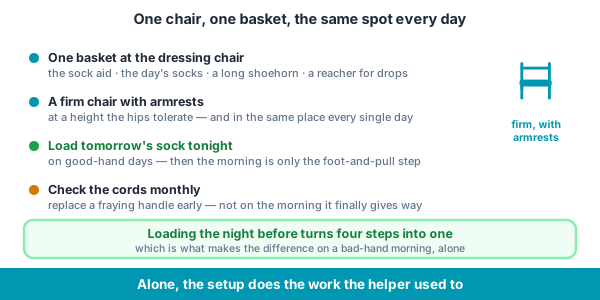
- One basket at the dressing chair: the sock aid, the day’s socks, a long shoehorn, and a reacher grabber for anything dropped.
- A firm chair with armrests, at a height the hips tolerate, in the same spot every day.
- Load tomorrow’s sock the night before on good-hand days — mornings then need only the foot-and-pull step.
- Check cords monthly; a solo senior should replace fraying handles early, not after they fail.
Backup plans beat skipped socks
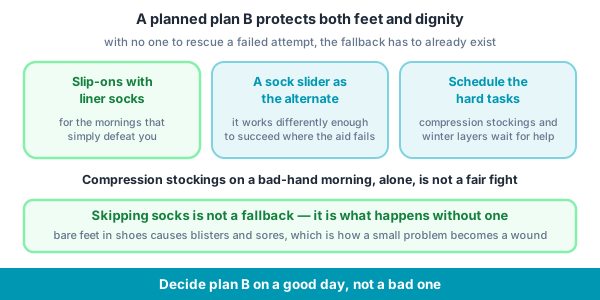
- Keep a pair of quality slip-on shoes with liner socks for defeated mornings.
- A sock slider works differently enough that some solo users keep one as the alternate — see our sock aid vs. sock slider comparison.
- Schedule the hard tasks: compression stockings or winter layers can wait for a family visit or aide morning.
When a failing routine is a signal
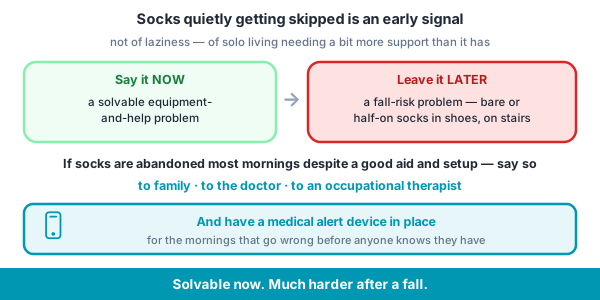
Dressing that quietly gets skipped is one of the earliest visible signs that solo living needs more support. If socks are being abandoned most mornings despite a good aid and setup, say so — to family, a doctor, or an occupational therapist. It is a solvable equipment-and-help problem now, and a fall-risk problem later; a medical alert device is also worth having in place for the mornings that go wrong.
Frequently asked questions
Which sock aid is most reliable for daily solo use?
A terry-lined semi-rigid shell with foam or loop handles — it loads once, holds the sock, and pulls on in one motion, with no second person to rescue a failed attempt.
What if my hands are too tired some mornings?
Load the sock the night before, switch to loop handles you can pull open-handed, and keep slip-on shoes with liner socks as the fallback — a planned plan B protects both feet and dignity.
Should family be involved if dressing starts failing?
Yes. A quietly skipped routine is an early support signal, not a private failure. One conversation can add the right equipment, a scheduled hand, or an OT visit before it becomes a safety issue.
Is a sock slider better for seniors living alone?
Different, not better: sliders suit some users’ mechanics and fail others. Solo seniors benefit from trying both and keeping the runner-up as the backup.
